POPE LEO XIV: HUMAN PROGRESS MUST SERVE HUMAN DIGNITY
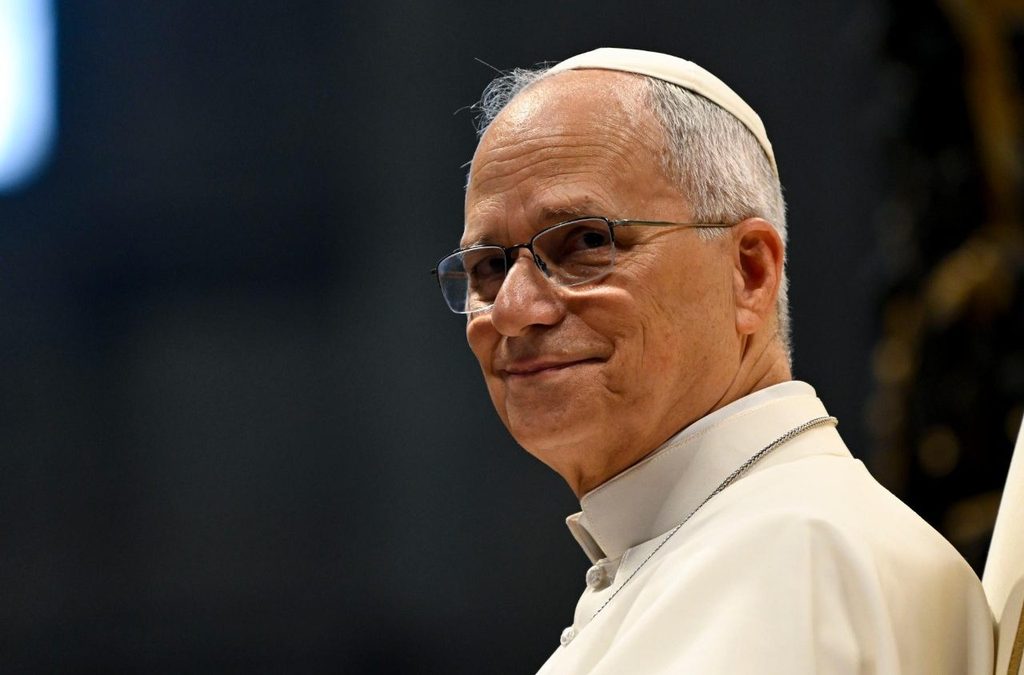
Source: Vatican News. Photo Credit: Vatican News
Pope Leo XIV has called for human activity, scientific and technological progress, to be directed toward serving human dignity and the common good.
The Holy Father made the call during his Wednesday General Audience on 23 September 2026 in St. Peter’s Square, as he continued his catechetical series on the documents of the Second Vatican Council, focusing on the third chapter of the first part of Gaudium et Spes, entitled “Man’s Activity Throughout the World.”
The Pope reflected on the fundamental question: “What is the value of human activity in the world and therefore of technical, social, and scientific progress?” He explained that, created in the image and likeness of God, the human person is an agent of progress. Through freedom and intelligence, human beings increase their knowledge and contribute to the development of society.
Pope Leo XIV noted that some forms of post-Christian humanism present God and humanity as rivals, suggesting that human beings must free themselves from God to affirm their knowledge, freedom, and progress. He warned that such a denial of the relationship with God ultimately risks losing the possibility of affirming the transcendent value of the human person.
Turning to Gaudium et Spes, the Pope recalled the Council’s teaching that Christians can rightly understand their work as participating in the Creator’s work, serving the good of others and contributing to the realization of God’s plan in history. He explained that God has entrusted creation to humanity while it is still “in statu viae”, that is, on a journey and in the process of growth. Human beings are therefore called to cooperate wisely in bringing creation towards its fulfilment.
The Holy Father also connected this teaching with the mystery of the Incarnation. Humanity, together with human work, progress and the autonomy of created realities, is not diminished by an encounter with God. Rather, it is taken up and given its full meaning in Christ, in whom humanity finds true freedom.
He reminded Christians that they should not abandon their earthly responsibilities and vocations but sanctify them through daily life and work. The fruits of human labour, he noted, are symbolically brought to the altar in the Eucharistic celebration through bread and wine, which become the Body and Blood of Christ.
Pope Leo XIV further distinguished the building of human society from the coming of the Kingdom of God, while emphasizing that the progress of human society remains a concern of the Kingdom. Human activity, therefore, has a place within the Christian vocation to promote the common good, care for those in need, and defend human dignity.
The Pope concluded by stressing that authentic human progress must be inspired by charity. Scientific and technological advancement, he said, can truly serve humanity when it promotes human dignity and improves the living conditions of all, especially those who are most disadvantaged.
He invited Christians to share “the bread of knowledge and know-how”, so that every person and every people may develop their potential and, with God’s help, work together to build “a better future.”
Story by: Anita Aryeh
DEPSOCOM, Accra


